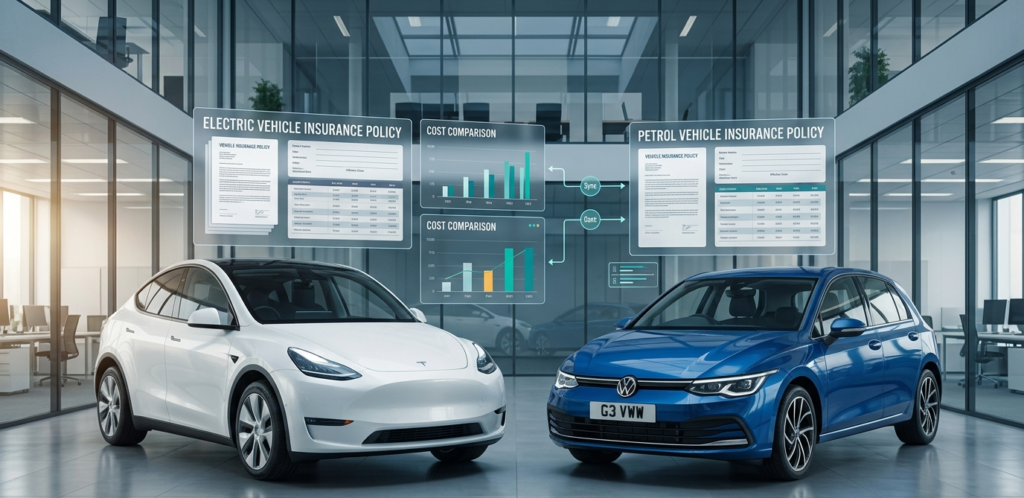
In 2026, one of the most common questions people ask is whether electric car insurance is cheaper or more expensive compared to petrol car insurance.
When I first looked into this, I thought electric cars would automatically have cheaper insurance because they are newer and more efficient. But the reality is a bit more detailed.
Electric car insurance and petrol car insurance work in a similar way, but there are some important differences that affect the price.
Electric cars usually have higher repair costs. This is because their technology is more advanced and battery systems are expensive to repair or replace. Because of this, some insurance companies charge slightly higher premiums for electric vehicles.
On the other hand, petrol cars are more traditional. Their parts are widely available and repairs are often cheaper. This can make insurance for petrol cars slightly lower in some cases.
However, in 2026 things are changing quickly.
As more electric cars enter the market, insurance companies are getting more data. This is helping them create more accurate and competitive pricing for EV owners.
One major advantage of electric cars is safety features.
Most modern electric cars come with advanced safety systems like automatic braking, collision detection, lane assist, and driver monitoring. These features reduce accident risk, which can help lower insurance costs in some cases.
Another factor is driving behavior.
Insurance companies now use smart data to track driving patterns. If you drive safely, avoid harsh braking, and maintain good habits, you can get discounts on both electric and petrol car insurance.
Now let’s talk about cost differences.
In general, electric car insurance can be slightly higher upfront, but the gap is becoming smaller every year. Some electric car models even have similar insurance rates compared to petrol cars, especially in competitive markets like the UK and USA.
Petrol car insurance is still widely available and sometimes cheaper for older vehicles. However, running costs like fuel are much higher compared to electric cars.
So when you look at the full picture, you need to consider more than just insurance.
Electric cars save money on fuel and maintenance, while petrol cars may have slightly lower insurance in some cases but higher running costs overall.
Another important point is repair time.
Electric cars may take longer to repair due to specialized parts. This can sometimes affect insurance claims. Petrol cars are generally faster and easier to repair.
In 2026, insurance companies are also offering more EV-specific policies.
These policies are designed for electric vehicles and often include battery coverage, charging equipment protection, and roadside assistance for EVs.
One thing I always recommend is comparing quotes before buying insurance.
Prices can vary a lot between companies. A few minutes of comparison can save you a significant amount of money every year.
Also, consider bundling insurance.
Many providers offer discounts if you combine car insurance with home or other policies. This applies to both electric and petrol cars.
From a practical point of view, electric car insurance is becoming more competitive and balanced compared to petrol cars.
The gap is shrinking every year, and in some cases, EV insurance can even be cheaper depending on your location and driving profile.
In the end, the choice is not just about insurance cost.
It is about total ownership cost, including fuel, maintenance, safety, and long-term savings.
If you are planning to buy a car in 2026, it is important to compare both electric and petrol options carefully.
Because the smartest decision is not always the cheapest insurance, but the overall best value for your lifestyle.