In 2026, one of the most common questions people ask before buying an electric car is: how much does it actually cost to charge an electric vehicle?
When I first started looking into electric cars, I also had the same confusion. Some people said it is very cheap, while others said it depends on location and usage. The truth is somewhere in between.
Electric car charging cost depends on several factors such as electricity rates, charging method, and battery size of the vehicle.
Let’s break it down in a simple way.
If you charge your electric car at home, it is usually the cheapest option. Home electricity rates are generally lower compared to public charging stations. Many users prefer overnight charging because it is convenient and cost-effective.
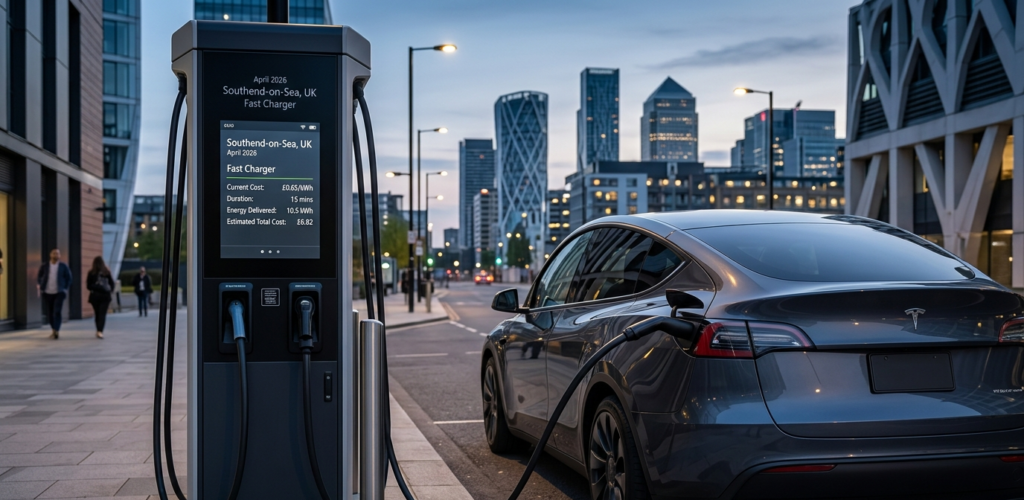
Public charging stations are more expensive, but they offer speed and convenience. Fast charging stations can charge your vehicle much quicker, which is useful during long trips or emergencies.
Now let’s compare electric charging with petrol costs.
In most cases, charging an electric car is significantly cheaper than filling a petrol tank. Petrol prices continue to fluctuate, and in many countries, they are quite high. Electric charging gives more stability in terms of cost.
For example, a full charge for an electric car may cost only a fraction of what you would pay for a full petrol tank. Over time, this difference becomes very noticeable in monthly expenses.
Another important factor is efficiency.
Electric cars are more energy-efficient compared to petrol cars. This means less energy is wasted during driving. Petrol engines lose more energy through heat and mechanical processes.
In 2026, charging infrastructure has improved a lot.
More fast charging stations are available in cities, highways, and commercial areas. This makes long-distance travel much easier than before.
Some electric cars also offer smart charging features. These systems allow you to schedule charging during off-peak hours when electricity rates are lower. This helps reduce overall cost even more.
Insurance companies are also starting to consider charging habits and usage patterns when calculating EV insurance costs. Safe and efficient usage can sometimes lead to better pricing.
One thing I always recommend is to calculate your own usage.
If you drive daily in the city, home charging will save you a lot of money. If you travel long distances frequently, you may rely more on public charging stations, which can increase your cost slightly.
Another factor is battery size. Larger batteries cost more to charge, but they also offer longer driving range. So it is always a balance between cost and convenience.
From a real-world perspective, electric cars still offer a clear advantage over petrol cars when it comes to running cost.
Even if charging prices vary, the overall cost of ownership is usually lower compared to fuel-based vehicles.
In 2026, many people are switching to electric cars mainly because of this reason. It is not just about being environmentally friendly anymore. It is also about saving money in the long run.
If you are planning to buy an electric car, it is important to understand your charging options before making a decision.
Because in the end, charging cost plays a big role in your total ownership experience.